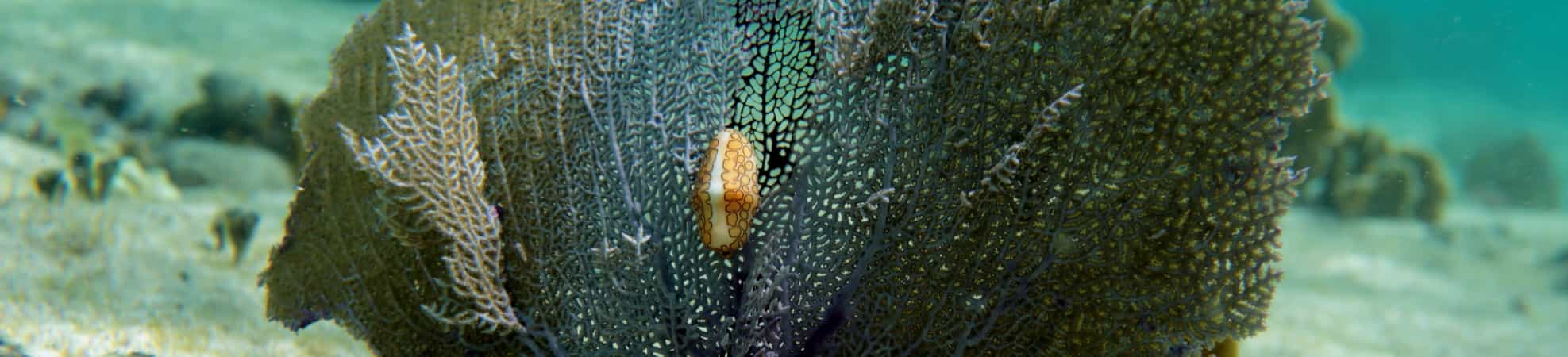
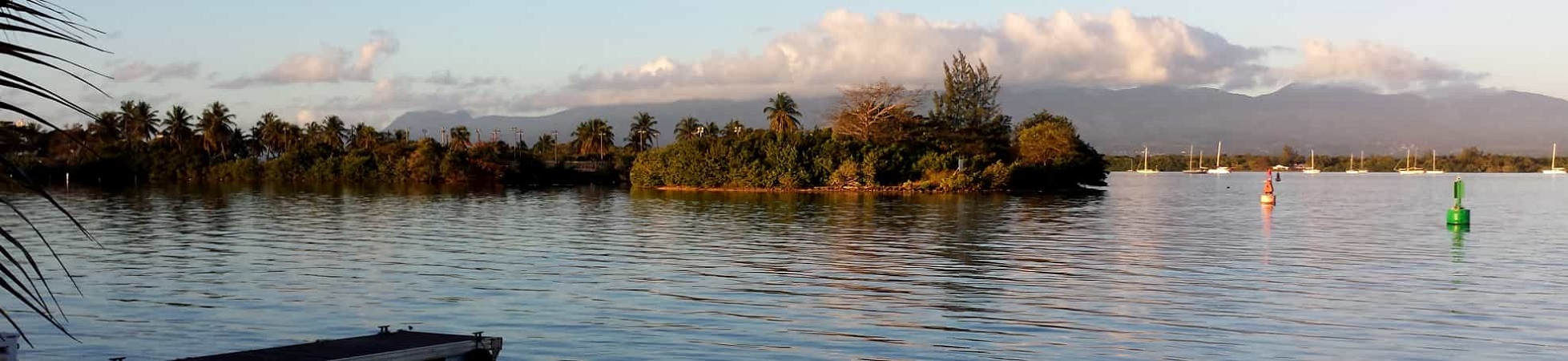

Hot-spot mondial de biodiversité

Suivre l'évolution d'un archipel composé d'espaces naturels protégés reconnus à l'échelle internationale

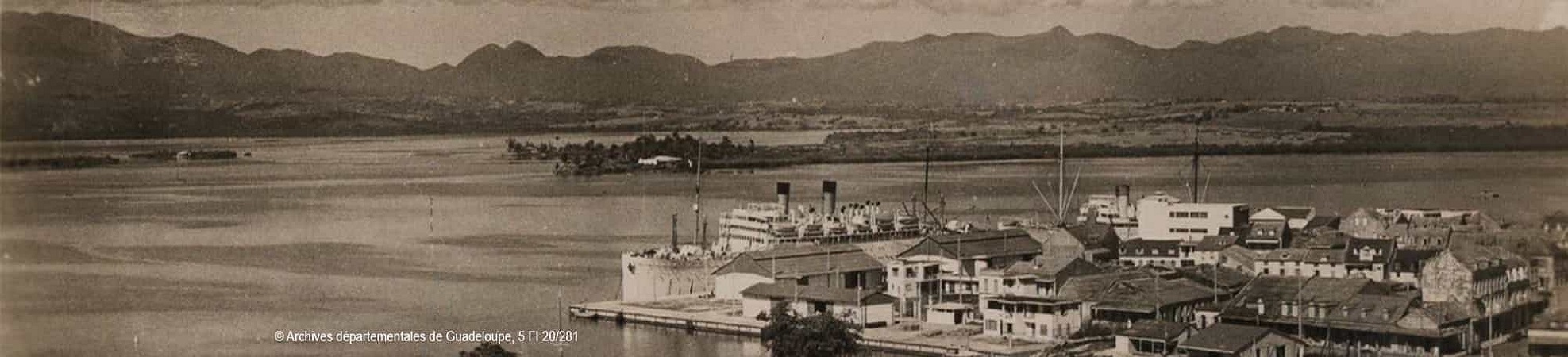
photo historique

 Comment les évolutions géohistoriques influencent les trajectoires futures du territoire guadeloupéen

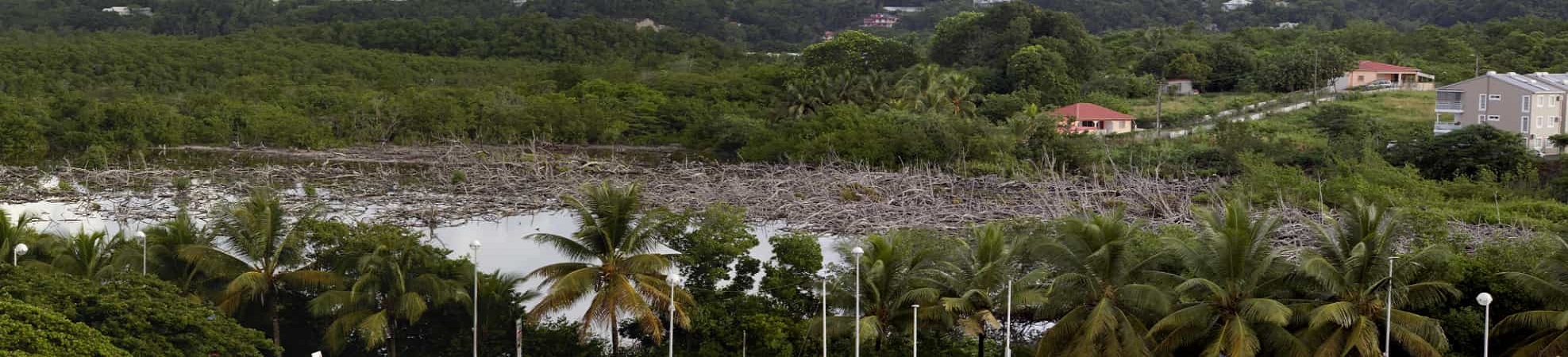
Rivage labo

 Appréhender la globalisation à l'echelle locale

Suivis scientifiques

Evaluer les stratégies de développement durable dans un contexte de changements climatiques et anthropiques

OHM Littoral Caraïbe
  • Accueil
    • Connexion
    • Présentation
    • Gouvernance
    • Equipes de recherche
    • Thématiques
    • Programmes de recherche
    • APR LabEx DRIIHM
    • Publications scientifiques
    • Séminaires
    • Médias
    • Métadonnées / Données
    • Galerie photo
    • Frise chronologique
    • Cartographie narrative
  • Autres OHMs
OHM Littoral Caraïbe

Publication: Liens entre glyphosate, chlordécone et biodiversité marine

Détails
Publié le : 15 Mars 2023

Temporal pesticide dynamics alter specific eukaryotic taxa in a coastal transition zone

Vincent Hervé, Pierre Sabatier, Josie Lambourdière, Jérôme Poulenard and Pascal Jean Lopez

  • Land use change alters the rates of sediment transport, which in turn modifies biodiversity in coastal transition zones.
  • Read abundance, alpha and beta diversity of eukaryotes are influenced by sedimentation regime and pesticide fluxes.
  • Members of the green and brown food communities present contrasting temporal dynamics over two last decades.
  • Shift in the sedimentation regime related to glyphosate use differentially impacts the coastal microeukaryotic communities.
Science of The Total Environment, Vol. 866, 2023, 161205

https://doi.org/10.1016/j.scitotenv.2022.161205

Publication: Santé et environnement dans 5 OHM/OHMi

Détails
Publié le : 15 Février 2023

Local Food Systems under Global Influence: The Case of Food, Health and Environment in Five Socio-Ecosystems

Rapinski, M., Raymond, R., Damien, D, Herrmann, T., Bedell, J.-P., Ka, A., Odonne, G., Chanteloup, L., Lopez P. J., Foulquier, E., Ferreira da Silva, E., El Deghel, N., Boëtsch, G., Coxam, V., Joliet, F., Guihard-Costa, A.-M., Tibère, L., Nazare, J.-A. and Duboz P.

Globalization is transforming food systems around the world. With few geographical areas spared from nutritional, dietary and epidemiological transitions, chronic diseases have reached pandemic proportions. A question therefore arises as to the sustainability of local food systems. The overall purpose of this article is to put in perspective how local food systems respond to globalization through the assessment of five different case studies stemming from an international research network of Human-Environment Observatories (OHM), namely Nunavik (Québec, Canada), Oyapock (French Guiana, France), Estarreja (Portugal), Téssékéré (Senegal) and Littoral-Caraïbes (Guadeloupe, France). Each region retains aspects of its traditional food system, albeit under different patterns of influence modelled by various factors. These include history, cultural practices, remoteness and accessibility to and integration of globalized ultra-processed foods that induce differential health impacts. Furthermore, increases in the threat of environmental contamination can undermine the benefits of locally sourced foods for the profit of ultra-processed foods. These case studies demonstrate that: (i) the influence of globalization on food systems can be properly understood by integrating sociohistorical trajectories, socioeconomic and sociocultural context, ongoing local environmental issues and health determinants; and (ii) long-term and transverse monitoring is essential to understand the sustainability of local food systems vis-à-vis globalization.

Sustainability, 15(3), 2376.

https://doi.org/10.3390/su15032376

Journées Thématiques GDR OMER

Détails
Publié le : 20 Janvier 2023

Journées Interdisciplinaires des Sciences de la mer

Intervention: Eric Foulquier et Iwan Le Berre “Le tournant environnemental des activités maritimes et portuaires ”

Programme est accessible ici.

Publication: Données AIS et mammifères marins

Détails
Publié le : 21 Juin 2022

Pairing AIS data and underwater topography to assess maritime traffic pressures on cetaceans: Case study in the Guadeloupean waters of the Agoa sanctuary

Bénédicte Madon, Damien Le Guyader, Jean-Luc Jung, Benjamin De Montgolfier, Pascal Jean Lopez, Eric Foulquier, Laurent Bouveret, Iwan Le Berre


Maritime transportation forecasts project an increase in shipping. In this context, interactions with cetaceans are of growing concern especially when relevant biological data are not available to monitor the impacts. The Agoa sanctuary in the Wider Caribbean region faces this situation. To overcome this issue, we used AIS data to estimate three pressure types from maritime traffic associated with known impacts for cetaceans: (1) “intensity” corresponding to the frequency of vessel presence, (2) “occupancy” corresponding to the duration of ship presence, known to lead to disturbance and noise-related impacts and (3) “speed” presenting the risk of physical injuries from collisions. A simplified approach of the Cumulative Effect Assessment framework was used. We mapped species underwater topographic preferences as a proxy for their distribution to link habitat features with traffic pressure maps to evaluate pressure levels and types. Results showed that three species were more at risk from intensity and speed in the plains: the bottlenose dolphins, the Fraser’s dolphins and the short-finned pilot whales. The speed pressure had the highest score over the habitat types slopes, canyons and valleys, placing sperm whales, Cuvier, Blainville’s and Gervais’s beaked whales at higher risk of collision in these areas. Humpback whales and pantropical spotted dolphins faced a higher risk of disturbance over the continental shelf along the West coast. We recommend a precautionary approach in the Agoa sanctuary: speed reduction in the Pointe-à-Pitre-Marie-Galante route and displacement of shipping lanes to move maritime traffic away from the West Coast.

Marine Policy Vol. 143, 2022, 105160

https://doi.org/10.1016/j.marpol.2022.105160

Semaine écologie environnement biodiversité

Détails
Publié le : 30 Mai 2022

La semaine écologie environnement biodiversité est l’occasion de réunir les chercheuses et chercheurs, partenaires et acteurs du territoire autour d’enjeux scientifiques, environnementaux et de société.

semaine EEB

 Lors de la session « Science ouverte pour la société », Pascal Jean LOPEZ, Directeur de recherche CNRS/UMR BOREA communiquera sur : Villes, architectures, usages et microbes (15h55)

PROGRAMME ET INSCRIPTION

  • 1
  • 2
  • 3
  • 4
  • 5
  • 6
  • 7
  • 8
  • 9
  • Accueil
    • Connexion
  • L'OHM LC
    • Présentation
    • Gouvernance
    • Equipes de recherche
  • Recherche
    • Thématiques
    • Programmes de recherche
    • APR LabEx DRIIHM
  • Valorisation
    • Publications scientifiques
    • Séminaires
    • Médias
  • Outils
    • Métadonnées / Données
    • Galerie photo
    • Frise chronologique
    • Cartographie narrative
  • Autres OHMs

OHM Littoral Caraïbe

© 2025 | Mentions légales